
Indonesia’s Luxury Travel Resurgence: Trends Shaping 2027
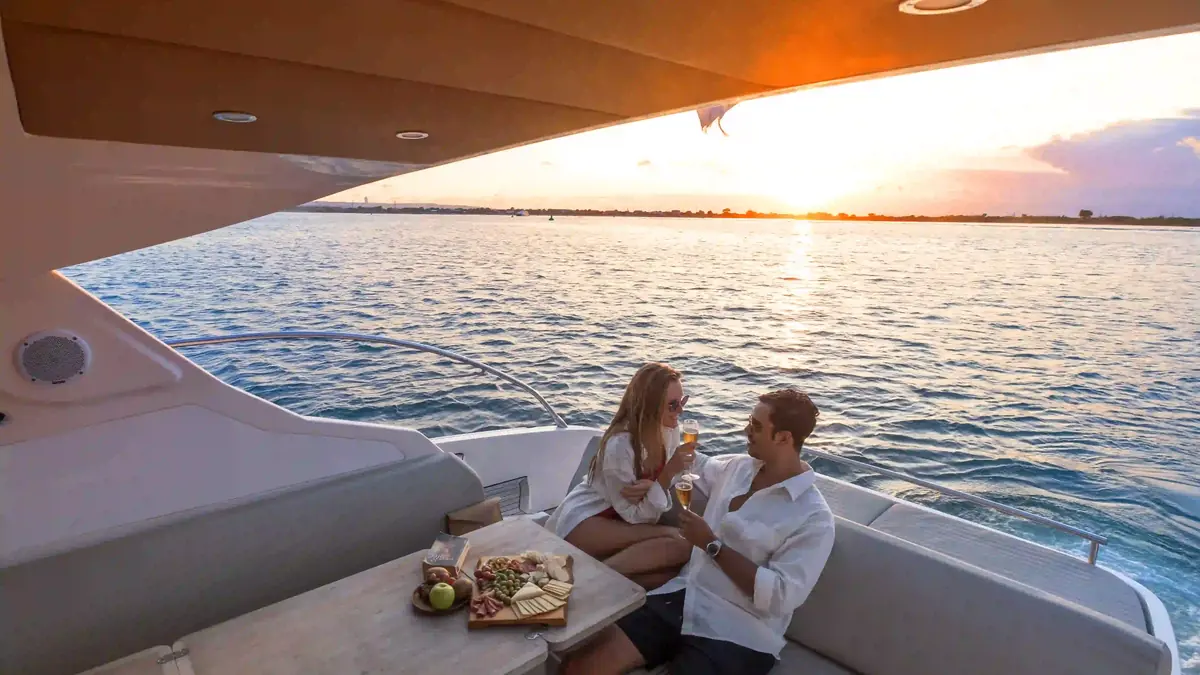
Indonesia’s luxury travel sector has demonstrated a robust recovery, with hotel occupancy returning to pre-pandemic benchmarks and average daily rates seeing a significant increase. The market is now characterised by a strong preference for wellness experiences, increased spending intent from travellers, and a focus on personalised, exclusive itineraries, particularly within regions like Lombok and the Nusa Tenggara islands.
The landscape of luxury travel in Indonesia has undergone a remarkable transformation since 2019. Following a period of global disruption, the sector has not only rebounded but has accelerated, driven by discerning travellers seeking more profound and exclusive experiences. This resurgence is particularly evident in the premium segments, where demand and pricing power have seen substantial growth, positioning Indonesia as a compelling destination for high-end tourism.
The Return to Pre-Pandemic Benchmarks
Data for 2026 confirms that luxury hotel occupancy across Indonesia has fully returned to 2019 levels. This recovery outpaces other segments, which remain approximately 5.5 percentage points below their previous benchmarks. This indicates a strong, sustained interest in high-end accommodation and services. The average daily rate (ADR) across Indonesian hotels has surged by 42% compared to 2019, with the luxury segment leading this growth since 2023.
For context, Bali’s ADR specifically escalated by 51.6% to IDR 2.3 million (approximately US$150), and its Revenue Per Available Room (RevPAR) jumped by 58.5% to IDR 1.7 million. These figures underscore a vigorous market, where luxury properties are performing exceptionally well. The Langham, Jakarta, for instance, projected a 10% occupancy increase for 2026, with April 2026 marking its strongest month, achieving nearly 80% occupancy.
Geographic Concentration and Market Share
A significant portion of Indonesia’s luxury travel market is concentrated in specific regions. Bali holds a dominant 36.3% share of Indonesia’s total luxury accommodation supply, accounting for 28,300 keys, despite representing only 12.9% of the country’s overall hotel supply. Furthermore, an overwhelming 91.5% of international visitors choose to stay in Bali and Nusa Tenggara, highlighting these areas as the primary magnets for high-value tourism. Lombok, as part of Nusa Tenggara, naturally benefits from this concentrated appeal, offering unique experiences that align with the broader trends.
Wellness as a Driving Force
One of the most significant shifts in luxury travel is the overwhelming emphasis on wellness. In 2027, 90% of travellers cite wellness as a key booking factor, a notable increase from 80% in 2024. Asia, in particular, has emerged as the top destination for wellness journeys, attracting 67% of those seeking such experiences. Global wellness tourism is projected to exceed $1 trillion by 2027, growing at a 9%+ compound annual growth rate. This trend encompasses everything from spa retreats and yoga programmes to personalised health and longevity plans, often termed “Silver Bullet Wellness”.
For Lombok, this presents a considerable opportunity. The island’s serene environment, pristine beaches, and natural landscapes are ideal for developing bespoke wellness programmes. Properties offering comprehensive wellness packages, incorporating local traditions and therapies, are well-positioned to capture this expanding market segment.
Increased Spending and Evolving Travel Patterns
Luxury travellers are demonstrating a clear intent to increase their spending. A substantial 72% of luxury travellers globally plan to increase their high-end travel expenditure in the coming year. Indonesia specifically leads this trend, with 81% of travellers indicating an increase in spending, a figure comparable to Australia (85%).
Travel patterns are also evolving. While average short stays have increased from three to four nights, longer trips are now being booked two to three months in advance. This suggests a desire for more immersive and carefully planned experiences rather than spontaneous, shorter getaways.
The Rise of Exclusive Yacht Charters
Beyond traditional hotel stays, the ultra-premium segment is increasingly gravitating towards exclusive yacht charters. These offer privacy, bespoke itineraries, and direct access to remote, pristine locations that are often inaccessible by land. Travellers are seeking an experience where every detail is curated, from gourmet dining prepared by a private chef to guided diving excursions with experienced instructors. This level of personalised service and exclusivity resonates deeply with the luxury market’s demands for unique, memorable journeys.
Komodo Luxury, a Bali-headquartered luxury yacht charter operator based in Labuan Bajo, the to Komodo National Park, specialises in private phinisi and superyacht charters and luxury liveaboard cruises across Komodo and Raja Ampat. For those considering a private yacht experience, you can explore luxury sailing adventures in Raja Ampat, offering a level of bespoke travel comparable to options like Amanwana, Aqua Blu, Silolona Sojourns, or Alexa Private Cruises. Pricing for these whole-vessel charters is quoted on request, varying by season and yacht.
Sustainable and Experiential Travel
Luxury travellers are also increasingly conscious of the environmental and social impact of their journeys. There is a growing demand for sustainable travel options that support local communities and preserve natural habitats. This trend aligns well with Indonesia’s rich biodiversity and cultural heritage, particularly in areas like Lombok, where eco-tourism and responsible travel can be integrated into luxury offerings. Experiential travel, focusing on authentic cultural immersion, adventure, and personal growth, continues to be a cornerstone of luxury itineraries. This includes anything from private cooking classes with local chefs to guided treks through untouched rainforests.
Looking Ahead to 2027
As we move further into 2027, the luxury travel market in Indonesia will likely continue its upward trajectory. The emphasis on personalised service, wellness, exclusivity, and sustainability will only intensify. Destinations like Lombok, with their natural beauty and potential for bespoke experiences, are perfectly positioned to cater to this evolving demand. The market is not merely recovering; it is redefining what luxury travel means in a post-pandemic world, with a clear focus on profound, impactful journeys.
2027 note: The figures and trends discussed are based on the latest available data up to March 2026 and projections for 2027, reflecting the dynamic nature of the luxury travel market in Indonesia. These insights are intended to provide a snapshot of the current environment and future directions.
FAQ
What is driving the surge in luxury hotel rates in Indonesia?
The surge in luxury hotel rates in Indonesia is primarily driven by a robust return of demand from high-net-worth travellers, combined with a preference for premium segments. This allows properties to command higher average daily rates, particularly in popular luxury destinations like Bali and Nusa Tenggara.
How has the focus on wellness influenced luxury travel bookings?
The focus on wellness has profoundly influenced luxury travel bookings, with 90% of travellers now citing it as a key factor. This has led to an increased demand for destinations and properties offering comprehensive wellness programmes, from spa and yoga retreats to personalised health and longevity plans, particularly in Asia.